Does everyone really need to learn how to use AI?
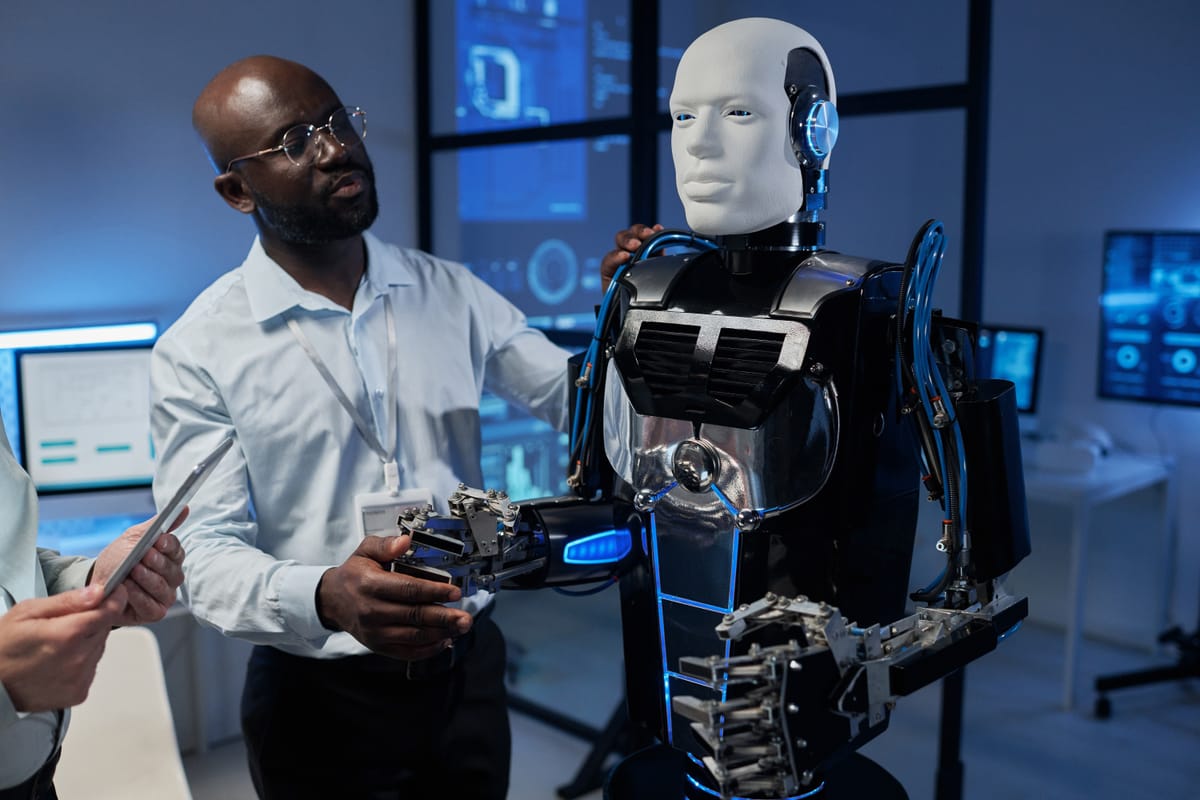
Current career advice suggests that AI will replace jobs if people don’t go ahead and learn it. Sounds like marketing propaganda to me.
Does everyone need to learn Excel?
Or Python?
Or to code?
So who really needs to equip themselves with the skill of using an AI tool?
The claim that “everyone must learn AI or be replaced” is mostly a marketing narrative. It is similar to earlier waves around learning spreadsheets, coding or social media. Some people benefited enormously from adopting those tools early, but society never required universal mastery.
A clearer way to think about AI is this: it is a productivity tool whose value depends heavily on the kind of work someone does.
People who genuinely benefit from learning AI are groups whose work already revolves around information, writing, or analysis.
Who Benefits the Most from Learning AI?
Knowledge workers
- Writers, journalists, communications specialists
- Researchers, analysts, consultants
- Lawyers, policy professionals
AI can accelerate tasks like summarising documents, drafting text, brainstorming ideas or analysing large bodies of information.
Technical professionals
- Software developers
- Data analysts
- Engineers
For them, AI acts like a coding assistant or rapid prototyping tool.
Entrepreneurs and small business operators
AI can reduce costs by handling tasks that previously required contractors:
- marketing copy
- customer emails
- basic research
- design drafts
Managers
People responsible for coordinating teams often use AI to synthesize information quickly.
People who benefit only marginally
Many jobs involve physical presence, interpersonal care or manual skill. Examples include:
- electricians
- nurses
- mechanics
- chefs
- construction workers
- hairdressers
- drivers
AI might help with scheduling, paperwork or training materials, but it does not fundamentally change the core skill of the job.
People who may only need basic awareness
For many workers, AI literacy is enough. That means:
- understanding what AI can and cannot do
- recognising errors or hallucinations
- knowing when it is appropriate to use
This is similar to knowing what a spreadsheet is without being able to build complex formulas.
Why the “everyone must learn AI” message exists
Three forces are driving the hype:
Technology companies
Companies such as OpenAI, Microsoft and Google benefit when AI tools become part of everyday work.
Training industry
Courses, certifications, and influencers profit from convincing people that AI is an urgent survival skill.
Corporate efficiency pressure
Employers like tools that reduce labour costs. Framing AI as inevitable helps accelerate adoption.
The key question is not “Does everyone need AI?” It is: Does your job involve producing or manipulating information?
If yes, then AI can significantly amplify your productivity. If no, then AI may remain peripheral.
Historically, the workers who benefit most from new tools are not the ones who master the tool itself, but the ones who combine the tool with strong domain expertise.
Someone who understands journalism and uses AI will outperform someone who only knows AI.
Someone who understands law and uses AI will outperform someone who only knows prompts.
The tool rarely replaces the field.
So don't fret if you don't understand how it works. If you're doing your job quite fine without it, chances are you don't need it. Most people report efficiency gains from its use, without any threat of replacement.
But knowing how it works can still be useful, so gain basic literacy knowledge here.