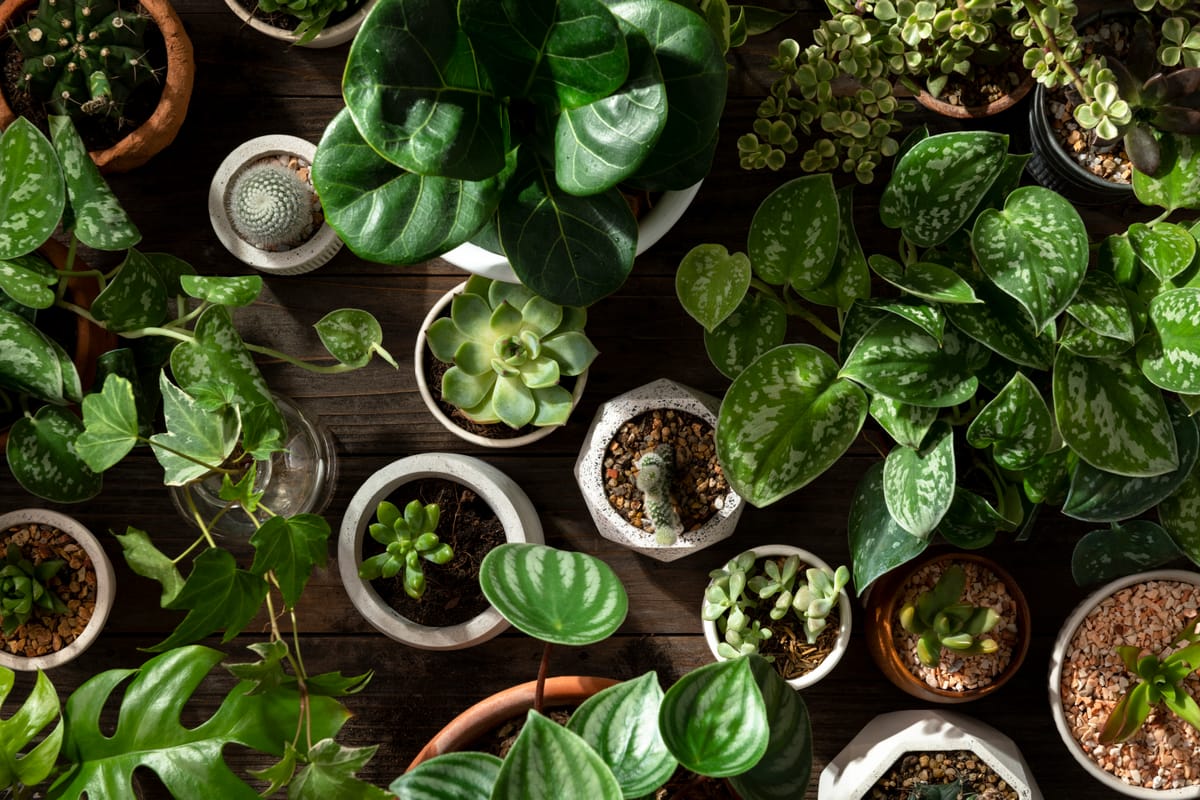
Plants are sensitive to environmental conditions, and their health can reflect various factors that may also impact your living space. A thriving plant often signals balanced air, light and humidity, while one that struggles might be warning you of something off in your surroundings. Subtle changes in leaf colour and shifts in growth patterns can reveal clues about the state of your living environment. So are plants more than just decoration? Can they actually be a living indicator of your room’s health?
Benefits of Plants as Room Health Monitors
First, let’s explore some ways that plants would act as room health monitors:
Air Quality Indicators
Plants are affected by the air quality in your room. If the air contains pollutants like smoke, mould spores or high carbon dioxide levels, the plant might show signs of stress like browning, yellowing or wilting leaves.
Some plants, such as peace lilies or snake plants, are particularly good at removing toxins like formaldehyde and benzene from the air.
Humidity Levels
Plants thrive in specific humidity ranges. If a plant like a fern, which prefers high humidity, starts to dry out, it may indicate low humidity in the room. On the other side of that, overwatering signs could reflect high ambient moisture.
Light Levels
A plant’s growth or decline can help you assess whether your room gets adequate light. For instance, if a plant that needs bright, indirect light is struggling, your room might be too dark.
Temperature Extremes
Plants can signal temperature issues. Wilting or leaf drop might mean the room is too hot or too cold for comfort.
Pest Presence
If pests like mites or gnats infest your plant, it may suggest that environmental conditions like dampness or poor ventilation) are favourable for pests.
So can plants tell you how healthy your living conditions are?
Well, while plants alone cannot provide a comprehensive diagnosis of room health, they can serve as a helpful, natural indicator when paired with attentive observation.
Other practical steps you van follow include:
Choose the Right Plant: Opting for resilient plants like pothos, snake plants, or ZZ plants that are easy to care for and provide clear feedback on their environment.
Supplement Plant Monitoring: Pairing plants with environmental sensors for temperature, humidity, and air quality to get a more complete understanding of your room's health.
Observe Trends: Taking note of how your plant responds over time to changes in your room's conditions.